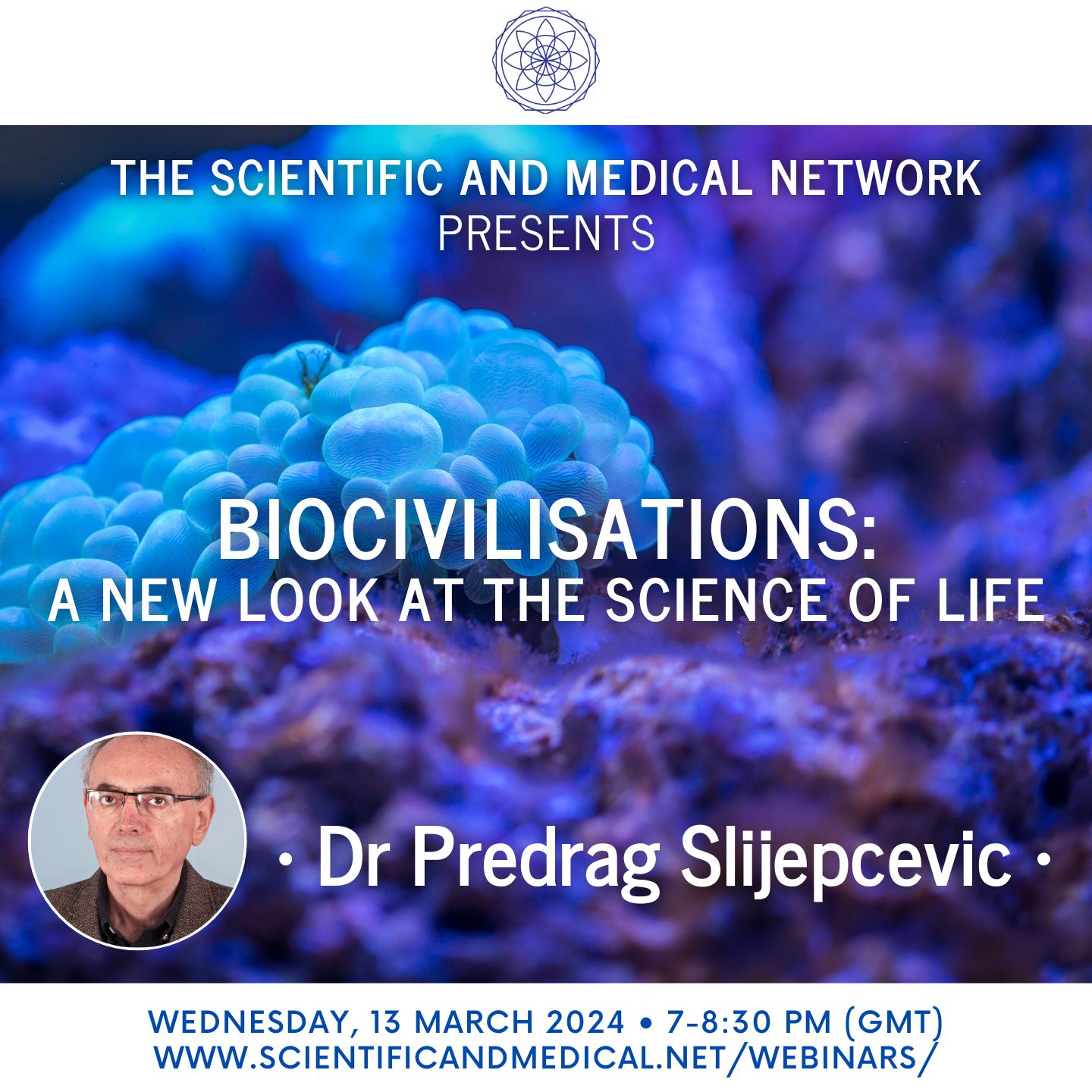
Dr Predrag Slijepcevic – Biocivilisations: A New Look at the Science of Life
What is life?
“The unit of survival is organism plus environment. We are learning by bitter experience that the organism which destroys its environment destroys itself.” – Gregory Bateson
The machine metaphor that dominates life sciences interprets organisms as “lumbering robots” controlled by selfish genes. However, contrary to this entrenched position, several biologists have argued that organisms are autopoietic cognitive systems characterised by organisational closure, thus precluding the machine metaphor. To develop this scenario further, I coined the term biocivilisations. The essence of this new term is that each biological species, from bacteria to humans, interacts with its environment cognitively. In this process, the environment changes. The total of a species-specific cognitive interaction with its environment, and subsequent environmental changes, is the emergence of the new morphological space within the biosphere – a new biocivilisation – that seamlessly integrates into the continuum of biocivilisations and contributes to the functioning of the biosphere as the planetary-scale system. In this webinar, I shall present the evidence for biocivilisational skills – communication, engineering, science, medicine, art, and agriculture – that exist in all kingdoms of life.
•
About the speaker:

Predrag Slijepcevic is a bio-scientist and philosopher of biology with over 30 years of experience at the universities of Cambridge, St Andrews, Leiden, and Brunel. Predrag’s primary research interest is the biology of telomeres, or physical ends of chromosomes, that regulate the ageing processes and contribute to some diseases. In parallel, Predrag investigates how biological systems, from bacteria to animals and beyond, perceive and process environmental stimuli (biological information) and how this processing, a form of natural learning, affects the organism-environment interactions. Predrag published widely in leading scientific journals, including Nature. Biocivilisations: A New Look at the Science of Life (Chelsea Green) is his first book in English.
TICKETS
Please note: This event is included in the Season Ticket.
All bookings will receive a link to view the RECORDING.
Speaker
-
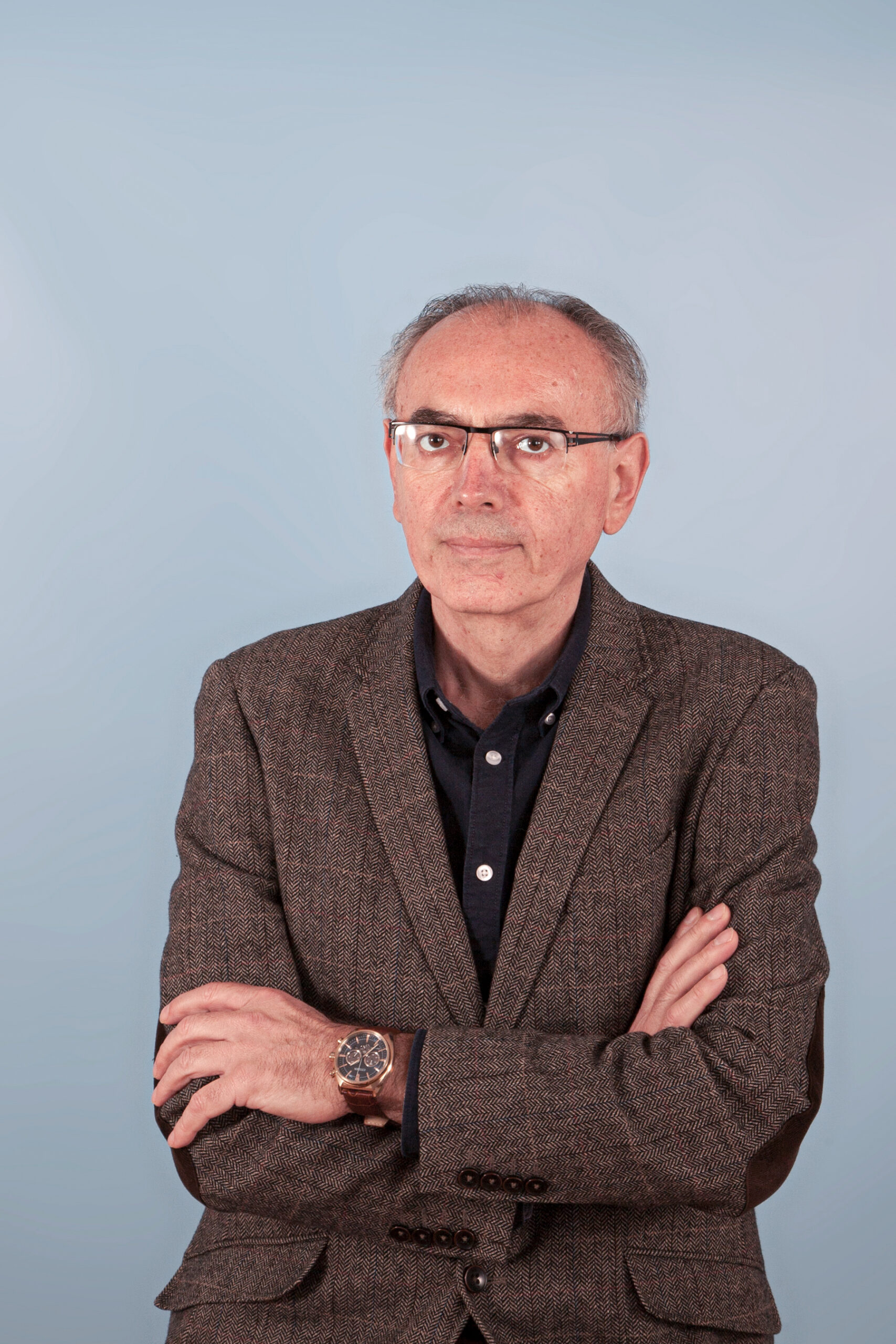 Predrag SlijepcevicBioscientist, philosopher
Predrag Slijepcevic is a bio-scientist and philosopher of biology with over 30 years of experience at the universities of Cambridge, St Andrews, Leiden, and Brunel. Predrag’s primary research interest is the biology of telomeres, or physical ends of chromosomes, that regulate the ageing processes and contribute to some diseases. In parallel, Predrag investigates how biological systems, from bacteria to animals and beyond, perceive and process environmental stimuli (biological information) and how this processing, a form of natural learning, affects the organism-environment interactions. Predrag has published widely in leading scientific journals, including Nature. Biocivilisations: A New Look at the Science of Life (Chelsea Green) is his first book in English.
Recent Book Reviews




Random Book Review